


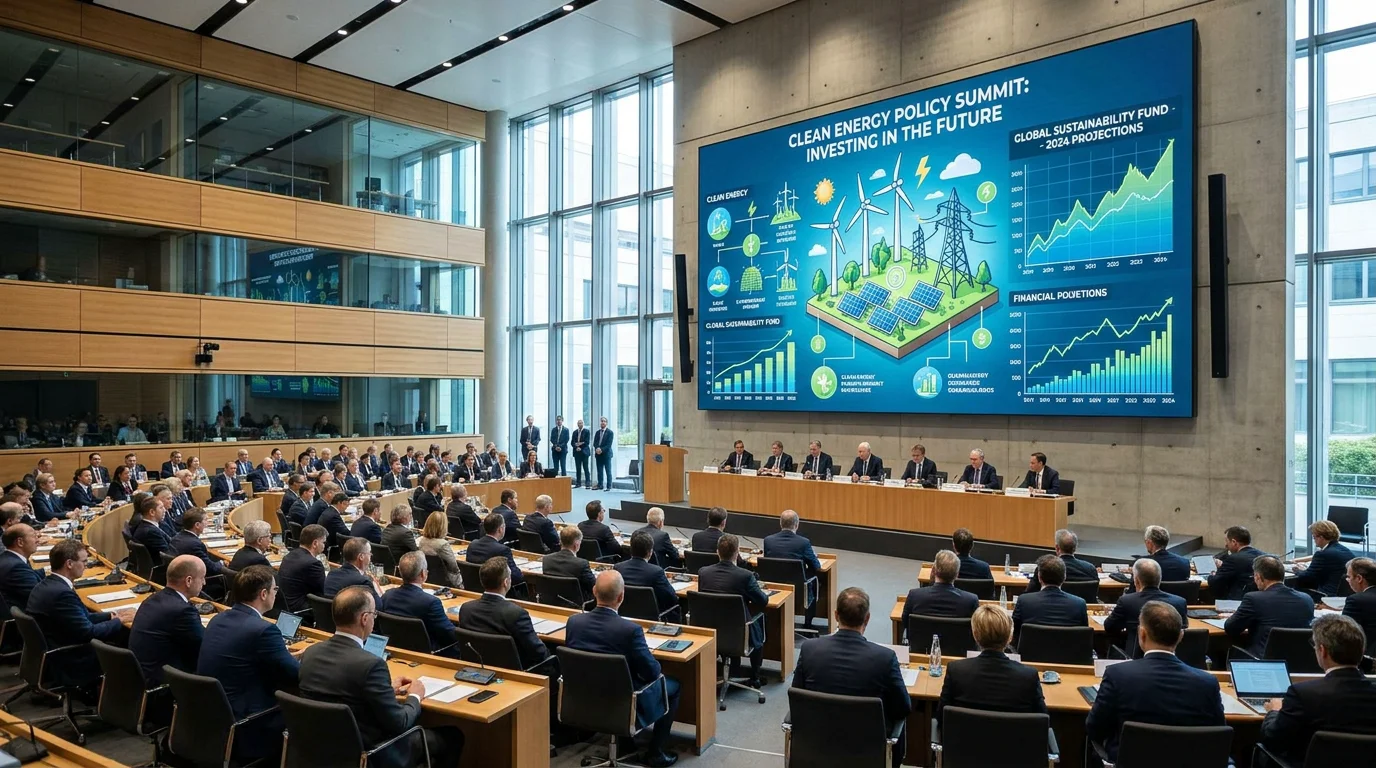

In November 2025, the European Commission announced €2.9 billion in new grants for 61 net-zero technology projects, selected from 359 applications that collectively requested over €21.7 billion. The demand exceeded the available budget by more than nine times. That single call illustrates both the scale and the competitive intensity surrounding the EU Innovation Fund, one of the largest public funding mechanisms dedicated to decarbonizing European industry. Understanding its mechanics is essential for anyone who operates within, trades in, or monitors the carbon market, including participants engaged with our Emissions Trading System.
This article examines how the Innovation Fund works, where its money comes from, which technologies it supports, and why it matters for professionals in the carbon allowance market. Whether you are a compliance operator, an asset manager, or a financial institution, grasping how ETS revenues flow into climate technology grants adds context to every trade you execute and every allowance you hold.
What Is the EU Innovation Fund?
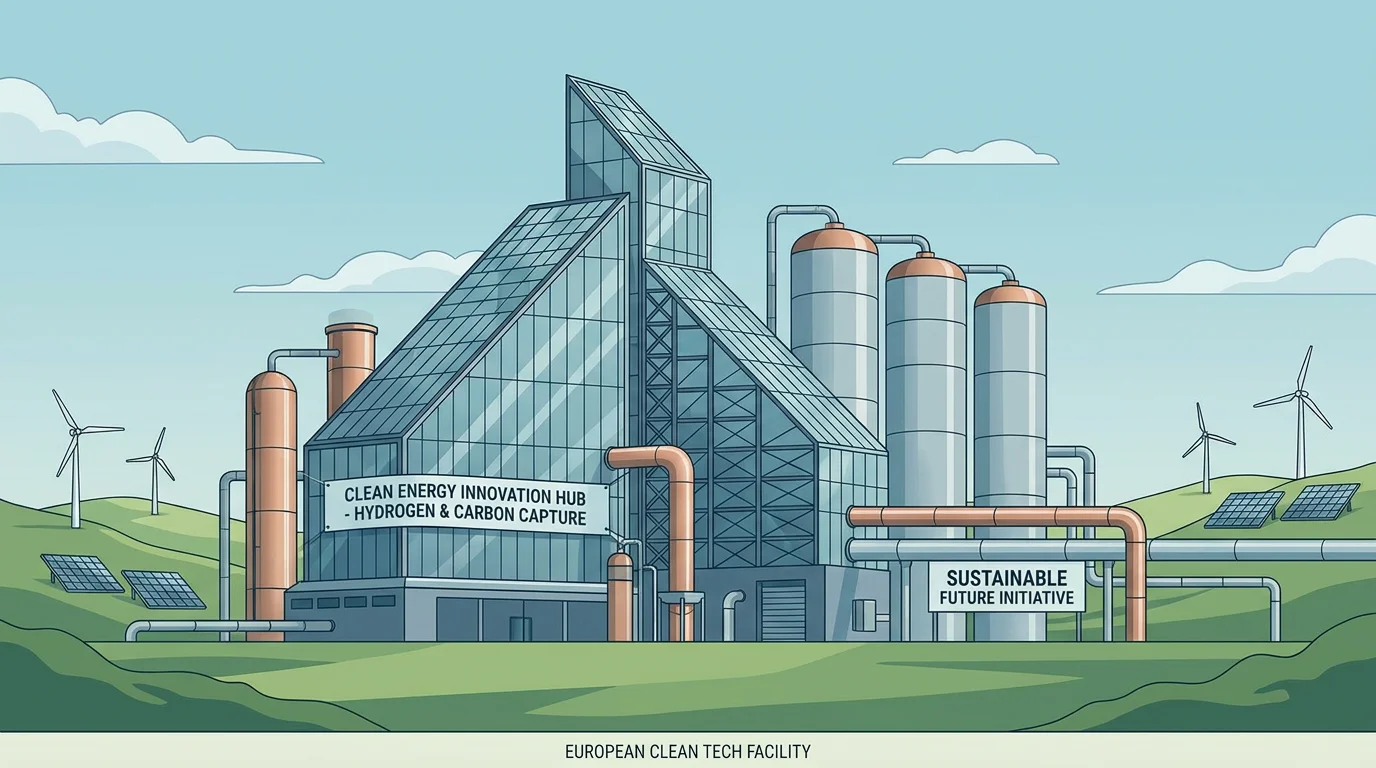
The Innovation Fund is one of the world's largest funding programmes for the deployment of innovative net-zero and low-carbon technologies. It was established by Article 10a(8) of Directive 2003/87/EC to support innovation across all EEA Member States and is one of the key tools of the European Green Deal Industrial Plan.
The Innovation Fund was established in 2020 as the successor to the NER300 programme. It is financed through the sale of EU Emissions Trading System (ETS) certificates, meaning that the proceeds of carbon pricing flow directly into grants for the next generation of low-carbon technology. The EU ETS provides the revenues for the Innovation Fund from the monetisation of 530 million ETS allowances.
In practical terms, every time a compliance entity purchases EU allowances at auction, a portion of that revenue is channeled into the Innovation Fund. This creates a direct link between the carbon market and the deployment of breakthrough decarbonization technologies.
How Is the Innovation Fund Financed Through the ETS?
The relationship between the EU ETS and the Innovation Fund is both structural and financial. Financed by revenues from auctioning allowances from the European Union Emissions Trading System (EU ETS) and with an estimated revenue of approximately €40 billion between 2020 and 2030, the Innovation Fund aims to help businesses invest in clean energy and bring technologies to market that can decarbonise European industry, while fostering its competitiveness.
The funding mechanism works as follows. The European Commission auctions a designated pool of ETS allowances. The revenues generated depend on the prevailing carbon price. Between 2020 and 2025, the ETS carbon price fluctuated between €23 and €97 per tonne. This volatility directly affects the amount of capital available for innovation grants in any given year.
For carbon market participants, this connection has strategic implications. Higher carbon prices translate into more capital for the Innovation Fund, which in turn supports projects that may reduce future demand for allowances. Understanding this dynamic is critical for professionals who track EU carbon market allowances and their long-term supply and demand fundamentals.
What Technologies Does the Innovation Fund Support?
The Fund focuses on highly innovative clean technologies and big flagship projects with European added value that can bring significant emission and greenhouse gas reductions. Innovation Fund projects cover a wide range of innovative technologies in areas such as energy-intensive industries, renewables, energy storage, net-zero mobility and buildings, hydrogen, and carbon capture, use and storage.
The scope has expanded since the fund's inception. Following the revision of the ETS Directive, new sectors were added, including net-zero mobility (maritime, aviation, road transport) and buildings. The fund provides more funding in a more flexible way compared to the earlier NER300 programme, through a simpler selection process and broader sectoral eligibility.
Key technology categories include:
- Carbon capture, use, and storage (CCUS) for cement, lime, and refinery applications
- Renewable hydrogen production and deployment in hard-to-abate sectors
- Industrial electrification, including process heat decarbonization
- Energy storage and advanced renewable energy systems
- Clean-tech manufacturing aligned with the Net Zero Industry Act
Recent Calls and Funding Rounds: Scale and Demand
The scale of recent Innovation Fund calls underscores just how competitive this funding instrument has become. In November 2025, the European Commission announced a total of €2.9 billion in funding to 61 cutting-edge net-zero technology projects. The funding comes from the Innovation Fund, using revenues from the EU Emissions Trading System. These grants followed a first call for net-zero technologies (IF24 Call), launched in December 2024, and the selected projects span 19 industrial sectors and 18 countries.
The call attracted 359 applications, requesting a total of €21.7 billion in support, over nine times the available budget of €2.4 billion. This oversubscription confirms both the maturity of Europe's net-zero technology sector and the intense demand for public co-financing.
The 2025 round (IF25), launched in December 2025, represents a further expansion. The EU Innovation Fund 2025 call offers more than €5 billion through different call options. According to an EY analysis, these options include a hydrogen auction of €1.3 billion and a new industrial heat auction of €1 billion, introduced for the first time under IF25 and focused on decarbonizing industrial heat across a range of temperature categories.
Performance and Challenges: What the Auditors Found
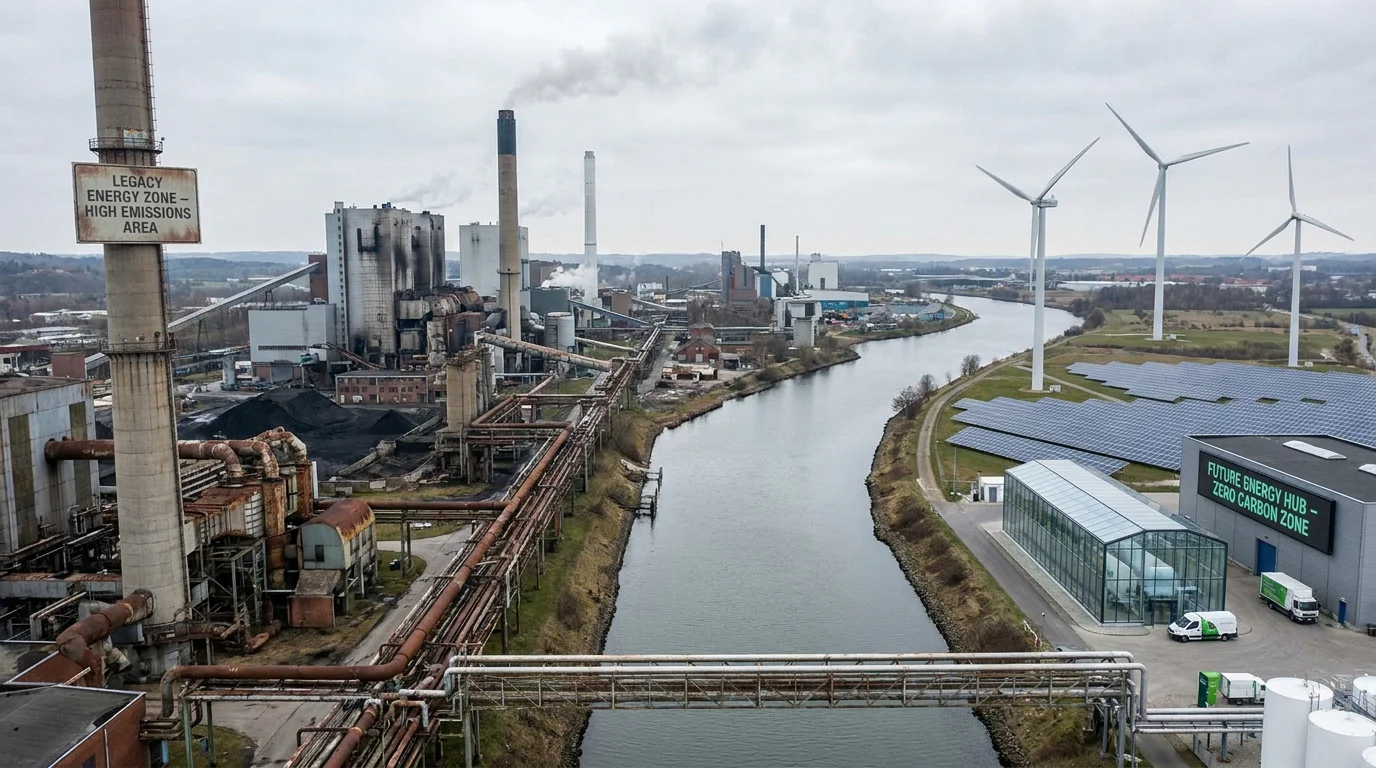
Despite its ambition, the Innovation Fund faces significant implementation challenges. A 2026 audit by the European Court of Auditors, analyzed by Startuprad.io, revealed notable gaps between commitment and deployment. The EU Innovation Fund had €40 billion to deploy but paid out less than 1% after five years.
Six of the seven audited projects had delivered the intended technology. However, six of the seven had also delivered fewer emission reductions than expected. The average project reached 57% of its target reduction. The portfolio as a whole achieved less than 5% of the emission reductions the Commission had projected for December 2024.
These findings do not invalidate the instrument. They highlight the inherent difficulty of scaling first-of-a-kind technologies from demonstration to commercial viability. The Innovation Fund is the primary EU instrument for bridging the "valley of death," the critical gap between laboratory demonstration and commercial viability that makes or breaks capital-intensive climate technology companies.
The auditors also noted structural issues. Since the introduction of REPowerEU in 2022, the Commission has increasingly directed Innovation Fund budgets toward specific political priorities: the European Hydrogen Bank, the Net Zero Industry Act manufacturing targets, and EU battery policy. The auditors found no evidence of a structured, forward-looking analysis underpinning these allocation decisions.
Why the Innovation Fund Matters for Carbon Market Participants
If you trade, hedge, or hold EU allowances, the Innovation Fund is not merely a policy side note. It directly affects the supply-demand balance of EUAs in several ways.
First, the 530 million allowances earmarked for the Innovation Fund are removed from the pool available for compliance use. This tightening effect contributes to upward price pressure in the carbon market over the long term. Second, successful Innovation Fund projects, once operational, are designed to reduce industrial emissions. Lower emissions mean lower demand for allowances in the years ahead, creating a gradual downward force on compliance obligations.
These opposing dynamics make the Innovation Fund a variable worth monitoring for any sophisticated carbon market strategy. Those who understand the rules of the EU ETS will recognize how interconnected auctioning, revenue recycling, and allowance supply management truly are.
Connecting Innovation Funding to Your Carbon Strategy
For compliance entities, the Innovation Fund also represents a potential co-financing opportunity. If your operations involve energy-intensive processes, you may be eligible to apply for grant support to pilot decarbonization technologies. Eligible activities span renewable energy, energy storage, industrial carbon management (including carbon capture, use and storage), electrification of industrial processes, and emerging solutions in net-zero mobility and buildings.
For financial participants, banks, trading firms, asset managers, and hedge funds, the Innovation Fund shapes the forward curve. Projects that receive funding today will begin reducing emissions over the next five to fifteen years. The EU ETS readiness of your portfolio depends on understanding these structural shifts before they are priced in.
By monitoring Innovation Fund calls and their outcomes alongside live carbon price movements, you can develop a more complete view of the forces driving EUA price formation. Accessing real-time pricing data and configuring alerts for market movements become essential tools in this context.
The Innovation Fund's Role in Europe's Climate Architecture
The Innovation Fund does not operate in isolation. It is part of a broader architecture that includes the EU ETS, the Clean Industrial Deal, and the Net Zero Industry Act. The programme is one of the 11 EU programmes contributing to the Strategic Technologies for Europe Platform (STEP), which seeks to assist the EU industry and boost investment in the digital, clean, and biotech sectors.
As described by the European Commission, the Innovation Fund's total funding depends on the carbon price, and it may amount to about €40 billion from 2020 to 2030, calculated by using a carbon price of €75 per tonne of CO₂. At prices above that benchmark, the fund grows larger. At prices below it, the fund contracts. This makes the Innovation Fund's capacity a real-time indicator of carbon market health.
The EU-Catalyst Partnership, launched in 2021, aims to mobilise up to €820 million (USD 1 billion) until 2026, accelerating the deployment and commercialisation of innovative low-carbon technologies in Europe. Such partnerships amplify the Innovation Fund's impact by blending public and private capital.
The Innovation Fund thus serves as both a demand signal for ETS revenues and a supply-side catalyst for emission reduction technologies. For any market participant, it represents a critical intersection of climate policy and carbon finance.
As the EU continues to expand the scope of its carbon pricing mechanisms, the Innovation Fund will remain central to the recycling of ETS revenues into the clean technologies that define Europe's industrial future. For organizations navigating this evolving landscape, combining policy awareness with responsive trading capabilities is essential. Our programmable exchange infrastructure offers transparent pricing, real-time market data, and flexible trade sizes starting from a single EUA, enabling you to stay aligned with market developments as they unfold. To explore how this works in practice, access our demo environment and see the platform for yourself.
Frequently Asked Questions
Where does the EU Innovation Fund get its money?
The Innovation Fund is financed through the auctioning of 530 million EU ETS allowances. The total revenue depends on the prevailing carbon price, with an estimated ceiling of approximately €40 billion for the 2020 to 2030 period at a benchmark price of €75 per tonne of CO₂.
Who can apply for Innovation Fund grants?
Entities in all EU Member States, plus Norway, Iceland, and Liechtenstein, are eligible. Projects must demonstrate technological novelty, operational credibility, and a clear decarbonization pathway. Eligible sectors include energy-intensive industries, renewables, hydrogen, mobility, buildings, and carbon capture.
How does the Innovation Fund affect carbon allowance prices?
The Innovation Fund removes 530 million allowances from the compliance pool, which contributes to supply tightening. Simultaneously, funded projects aim to reduce industrial emissions over time. Monitoring these dynamics through our real-time pricing and configurable alerts on Initiativ can help you anticipate shifts in EUA supply and demand.
This may interest you


Let’s connect
Do you want more information about what we do?