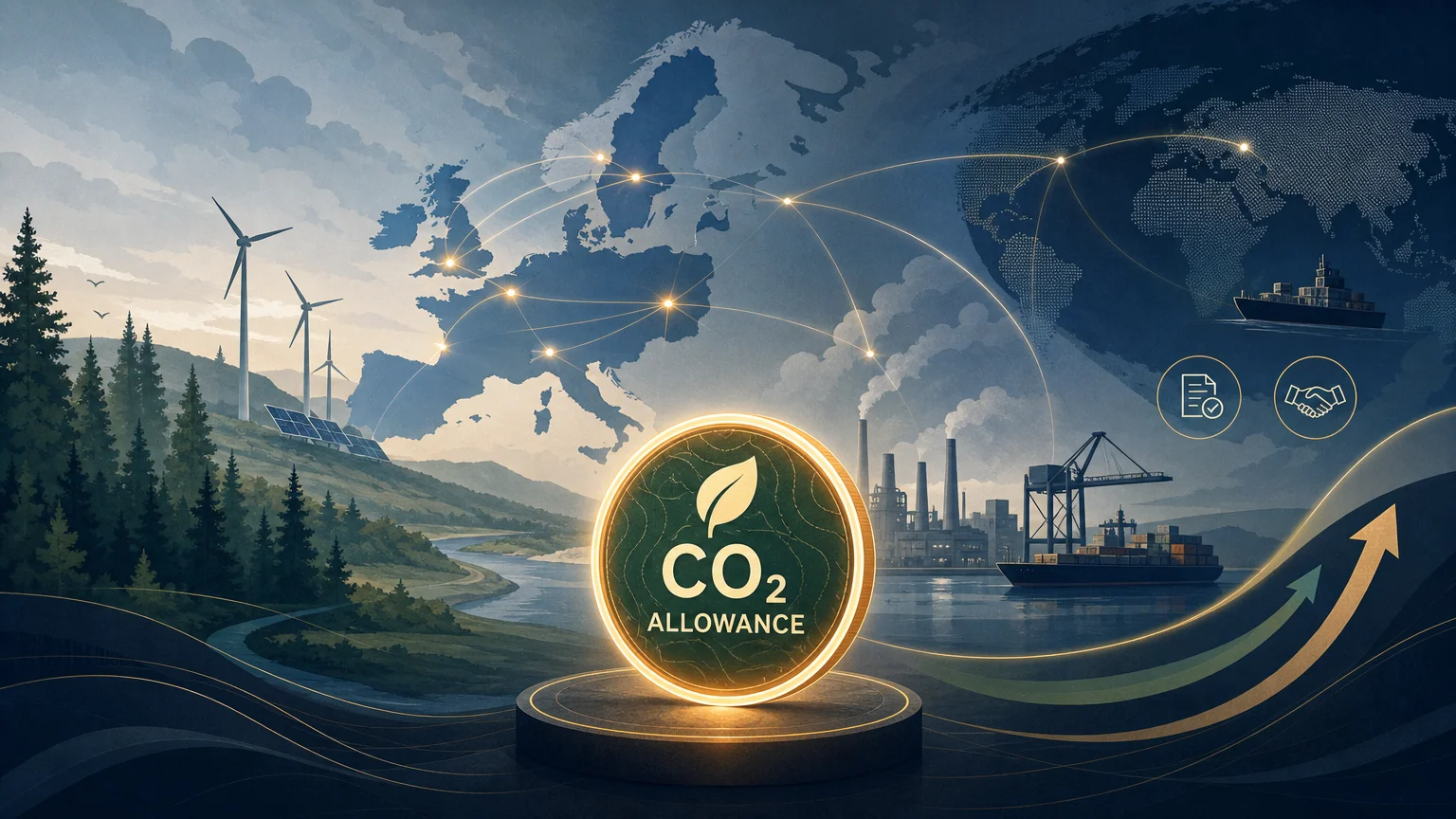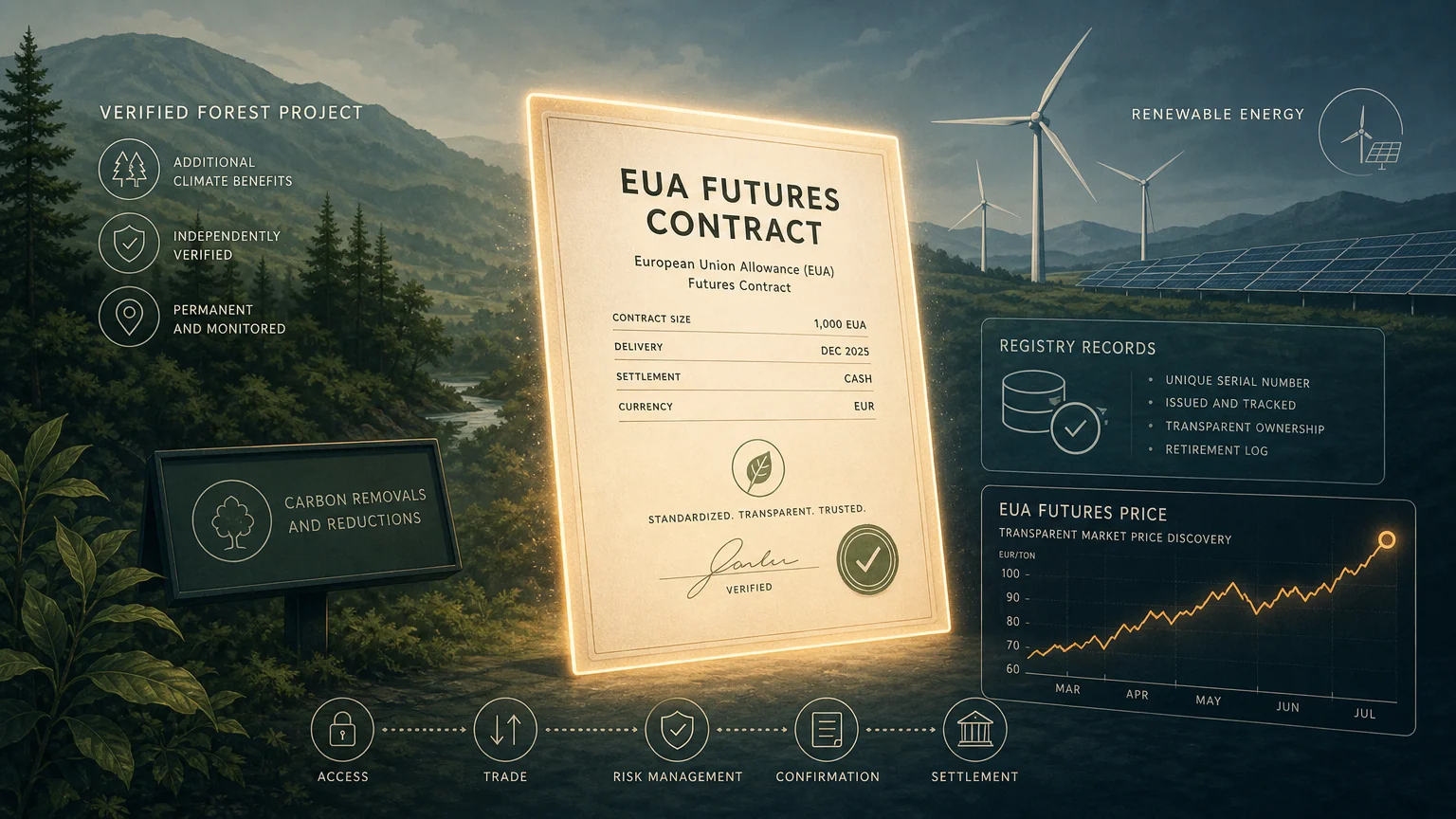


Summary: The leading international carbon market conferences of 2026 include the IETA-ICAP regional summits, Innovate4Climate, and PRAKRITI, gathering professionals around a market that mobilized over $107 billion in 2025.
Carbon pricing mobilized more than $107 billion for public budgets in 2025, and the professionals who steer that capital increasingly meet face to face. Before you reserve a seat, it helps to ground yourself in the mechanics of these markets, which is why our guide to Emissions Trading Systems is a useful starting point. International conferences on carbon markets have become the venues where policy direction, pricing signals, and trading strategy converge for a single, fast-moving sector.
These gatherings matter because the underlying market keeps expanding. According to the World Bank report, direct carbon pricing now covers nearly 30% of global greenhouse gas emissions across 87 implemented policies. For compliance entities, banks, and trading firms, attending the right event is no longer optional networking; it is how you read the market before it moves.
Why International Carbon Market Conferences Matter in 2026
Anyone searching for a conference international carbon markets professionals trust will find a crowded 2026 calendar, and that density reflects genuine commercial stakes. Each event compresses regulatory updates, price outlooks, and counterparty conversations into a few intensive days. For participants subject to the EU Emissions Trading System, that intelligence feeds directly into compliance planning and hedging decisions.
The growth of the underlying market explains the surge in attendance. According to industry analysis, 80 carbon pricing instruments were in operation worldwide as of early 2025, including 43 carbon taxes and 37 emissions trading systems, up from only 10 such instruments two decades earlier. Every new system creates fresh demand for the knowledge exchange that these carbon pricing conferences provide.
The agenda has also broadened. What began as climate policy forums now host serious discussions on market liquidity, derivatives, and execution infrastructure, topics that matter as much to a hedge fund as to a sustainability officer.
The Major International Carbon Market Events in 2026
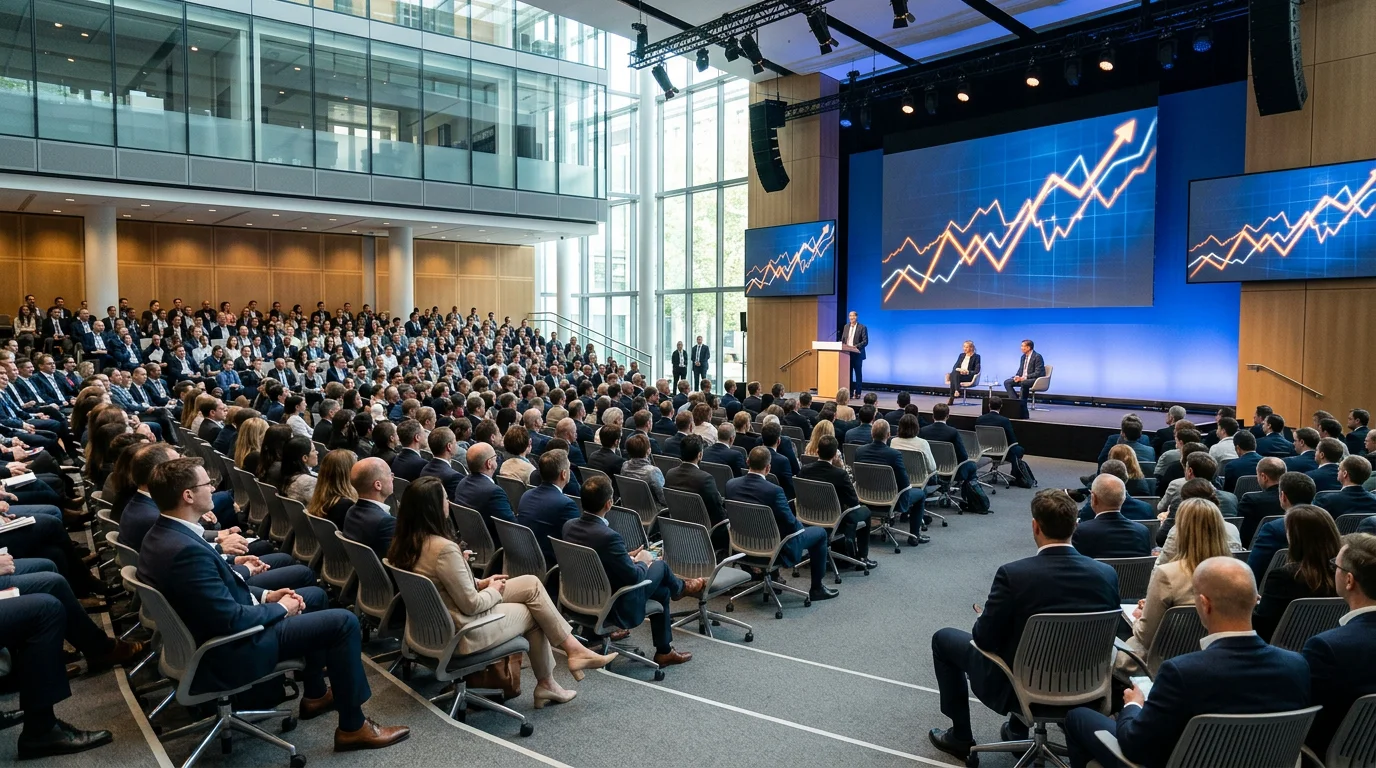
The 2026 schedule is anchored by the IETA-led regional summit series, organized in partnership with the International Carbon Action Partnership. The European Climate Summit takes place in Barcelona on 14 to 16 April, followed by the Latin America Climate Summit in Monterrey on 2 to 4 June, the Asia-Pacific Climate Summit in Hong Kong on 7 to 9 July, and the North America Climate Summit in New York City on 22 to 23 September.
Beyond the regional circuit, two flagship events draw a global audience. Innovate4Climate, the World Bank's annual conference on carbon pricing and carbon markets, runs from 20 to 22 May 2026. In India, the Bureau of Energy Efficiency hosts the 2nd International Conference on Carbon Markets, known as PRAKRITI 2026, building on a first edition held in February 2025. Its theme centers on unlocking carbon finance for national climate target implementation through global partnerships and digital pathways.
Specialist commercial forums round out the calendar. Conferences focused on price reporting and trading services bring together carbon desks from major banks, energy majors, and exchanges, reflecting the increasingly financial character of these markets.
A Quick Comparison of the 2026 Circuit
| Event | Region | 2026 Dates | Primary Focus |
|---|---|---|---|
| European Climate Summit | Europe (Barcelona) | 14 to 16 April | EU policy and trading |
| Innovate4Climate | Global | 20 to 22 May | Carbon pricing and finance |
| Latin America Climate Summit | Latin America (Monterrey) | 2 to 4 June | Regional market design |
| Asia-Pacific Climate Summit | Asia-Pacific (Hong Kong) | 7 to 9 July | Asian ETS development |
| North America Climate Summit | North America (New York) | 22 to 23 September | Carbon innovation |
Key Themes Shaping the Agenda
Three subjects dominate the 2026 programs. The first is integrity: a flight to quality is reshaping both voluntary and regulated markets, with high-integrity credits commanding premiums while lower-quality assets lose demand. The second is convergence between voluntary and compliance systems, a trend visible in the sharp rise of credit retirements for compliance purposes.
The third theme is the maturing of compliance markets themselves. According to the Center for Sustainable Finance, the EU ETS achieved a 50% emissions reduction since 2005, a result frequently cited as evidence that cap-and-trade design works at scale. If you want to understand the mechanism behind that headline, our explainer on how cap and trade schemes work sets out the fundamentals.
Article 6 of the Paris Agreement, which governs international cooperation on emissions reductions, is the connective tissue across nearly every 2026 agenda. Sessions on cross-border crediting, registries, and digital monitoring reflect a market that is professionalizing quickly.
From Conference Insight to Market Execution

A conference delivers value only when its insights translate into action. After three days of price outlooks and policy briefings, the practical question becomes how to position before the rest of the market reacts. For participants in the EU Emissions Trading System, that means having execution infrastructure that matches the speed of the intelligence gathered.
This is where the gap between insight and access becomes clear. Traditional exchanges typically require a standard lot of 1,000 EU Allowances, which equals 1,000 tonnes of CO₂, a barrier that limits precision. We allow you to trade from a single EUA, equivalent to one tonne, so you can size positions exactly. For a closer look at the venues themselves, our overview of EU ETS trading platforms compares the available routes to market.
| Access Criterion | Traditional Exchange | Our Platform |
|---|---|---|
| Minimum trade size | 1,000 EUAs | From 1 EUA |
| Live price transparency | Often delayed | Real-time monitoring |
| API automation | Variable | Built in |
| Pre-trade risk controls | Limited | Configurable |
Pricing Signals You Will Hear Discussed
Price is the recurring topic at every carbon market gathering, and 2026 is no exception. The annual average price of EU Allowances fell by 22% across 2024, settling near €65 per tonne of CO₂, a movement driven largely by softer demand. Understanding why prices moved is precisely the analysis these events exist to provide.
Divergence across jurisdictions is equally instructive. According to Statista data, the EU ETS, launched in 2005 as the world's first major international carbon market, continues to command some of the highest allowance prices among comparable systems. Sessions on price formation help participants distinguish structural trends from short-term noise, which is essential for any hedging or compliance strategy.
For financial participants, the takeaway is consistent: real-time pricing and disciplined risk management turn conference theory into executable advantage.
How to Choose Which Conference to Attend
Selecting the right event depends on your mandate. Compliance operators based in Europe will gain the most from the European Climate Summit and specialist EU ETS forums. Asset managers and trading firms with global books benefit from Innovate4Climate, where pricing and finance dominate the agenda.
If your interest lies in emerging systems, regional summits in Latin America and Asia-Pacific offer earlier visibility into markets still being designed. PRAKRITI 2026, supported by the World Bank and UNFCCC regional bodies, is the natural choice for those tracking India's carbon market and broader cooperation under Article 6.
Whichever you select, define your objective in advance: regulatory intelligence, counterparty access, or pricing insight. The clearer your goal, the faster you convert attendance into a position in the market.
Conclusion
The 2026 calendar of international carbon market conferences reflects a sector that has moved from the margins of climate policy to the center of global finance, underpinned by a market that mobilized more than $107 billion last year. Attending the right event gives you regulatory foresight, counterparty access, and a clearer read on price direction. Yet intelligence only pays when you can act on it with precision, which is why execution infrastructure matters as much as the insight itself. We give professional participants the ability to trade EU Allowances from a single tonne, with real-time pricing and pre-trade risk controls built for serious carbon desks. To put conference insight into practice, explore our solution for traders and corporates.
Frequently Asked Questions
What is the largest international carbon market conference in 2026?
Innovate4Climate, the World Bank's annual conference on carbon pricing and carbon markets, is among the most prominent, running from 20 to 22 May 2026. The IETA-led regional climate summits also draw large global audiences across four continents.
Who attends international carbon market conferences?
Attendees include policymakers, industrial operators under the EU ETS, banks, trading firms, asset managers, hedge funds, and carbon brokers. These events bring compliance entities and financial participants together to discuss policy, pricing, and trading.
How can I act on insights gained at a carbon market conference?
Translating insight into a position requires fast, precise execution. Our platform lets you trade EU Allowances from a single tonne with real-time price monitoring, configurable alerts, and pre-trade risk controls, so you can respond to market developments quickly.